California · California

California Personal Injury Lawyer

If you were injured anywhere in California - from San Diego to Sacramento, from Oakland to Anaheim - you generally have two years under CCP § 335.1 to file a personal injury lawsuit, six months to give notice if a government entity is involved (Gov. Code § 911.2), and California's minimum auto liability is $30k / $60k / $15k under SB 1107. Devoted Injury Lawyers is a California PI firm headquartered in Oceanside that represents clients statewide. No fee unless we win. Hablamos Español.

Updated June 2026 · Reviewed by Jeff Yates, Esq. · CA Bar #332659
Free Case Review
Tell us what happened.
A real California attorney will call you back within 1 business hour. Free, confidential, no obligation.

We answer 24/7. Calls are handled by our team, not a call center.

Statute of Limitations
2 Years
CCP § 335.1 - from injury
Government Claim
6 Months
Gov. Code § 911.2 - public entity
Minimum Auto Liability
$30k / $60k / $15k
SB 1107 - since Jan 2025
Comparative Fault
Pure
CACI 405 - recover even if mostly at fault
Practice Areas

What we handle in California.

Twelve California personal-injury practice areas. We do not take medical malpractice, dental malpractice, attorney malpractice, assault/battery, or product-defect cases.

First 72 Hours

What to do after
a California accident.

Most California injury claims are won or lost in the first 72 hours. Here are seven steps that protect your case and your health while the evidence is fresh.

  1. 01

    Get medical care first.

    See a doctor, paramedic, or ER - even if you feel okay. Soft-tissue injuries often surface 24–72 hours later. In California, the closest trauma centers are UC Davis Medical Center and UC San Diego Health.

  2. 02

    Call 911 and file a police or CHP report.

    A Local police department per city or California Highway Patrol (statewide) report locks in the other driver's identity, insurance, and an initial account. Vehicle Code § 20008 requires reporting any injury crash within 24 hours.

  3. 03

    Photograph what you can.

    Vehicle positions before they're moved, damage from multiple angles, road conditions, skid marks, traffic signs, injuries, the other driver's plate and insurance card.

  4. 04

    Get each witness's name and phone.

    Witnesses move on quickly. A name and phone captured on day one is worth more than expert testimony months later.

  5. 05

    Do not give a recorded statement.

    The other driver's insurer will often call within a day or two and ask for a recorded statement. You are not required to give one. The California Department of Insurance posts a consumer guide on this.

  6. 06

    Save each paper, receipt, and prescription.

    Medical bills, mileage to appointments, missed-work documentation, photos of bruises as they evolve.

  7. 07

    Call a Devoted attorney before talking to the insurer.

    Free, 24/7. You speak directly to a California-licensed lawyer who will tell you what you have. Do this before any recorded conversation with the insurance company.

What the Insurer Will Try

Six tactics California adjusters
often use on injured drivers.

Insurance companies are not in the business of paying you. They are in the business of paying as little as possible. Knowing the tactics in advance is half the defense.

The 'quick check' offer.

Within 7–14 days, the adjuster offers a small lump sum 'to help with medical bills.' Accepting it usually means signing a full release of your claims. Don't sign without a lawyer reading it.

The recorded statement.

An adjuster calls and asks for a 'quick recorded statement.' You are not required to give one. Anything you say can be used to reduce your claim later.

The medical records dragnet.

They send a broad medical-release form asking for your full lifetime medical history. The form is too broad. We narrow it to the relevant treatment period.

The 'pre-existing condition' angle.

If you ever had a similar injury, they'll argue this one isn't from the crash. California law (Eggshell Plaintiff doctrine) actually protects you here - when the case is presented correctly.

The treatment-gap argument.

Any gap in your medical treatment becomes 'proof you weren't really injured.' Stay consistent with follow-ups. We help you build a clean record.

The social-media surveillance.

Your public posts get screenshotted. A single beach photo can be used to argue you're 'not really hurt.' Lock down your accounts; ideally go private during the claim.

Talk to a Devoted Attorney

Talk to a real California injury attorney now.

Statewide Case Evaluations, 24/7. Two of our three are fluent in Spanish. We come to you - home, hospital, our Oceanside office, or by video.

Compensation You May Recover

What a California
injury claim can cover.

California organizes tort damages into two categories under Civ. Code § 3333. Past results do not guarantee a similar outcome.

Economic Damages
  • Emergency, hospital, and surgical costs
  • Future medical care and rehabilitation
  • Lost wages and lost earning capacity
  • Vehicle repair, replacement, and diminished value
  • Out-of-pocket and transportation costs
  • Life-care costs for catastrophic injuries
Non-Economic Damages
  • Pain and suffering - physical and emotional
  • Mental anguish, anxiety, and PTSD
  • Loss of enjoyment of life
  • Disfigurement and scarring
  • Loss of consortium (spouse / partner)
  • Loss of society and companionship

Past results disclaimer. Prior results do not guarantee, warrant, or predict a similar outcome in your case. Each case is different.

How a Case Is Valued

What your California
claim is actually worth.

There is no single formula, but many California claims run through the same building blocks. Adjusters use multipliers; juries use CACI 3903. We use both to back into a defensible demand.

Step 1

Add up your economic damages.

Medical bills (past and future), lost wages, lost earning capacity, vehicle damage, out-of-pocket costs. This is the floor - the number the case likely can't be worth less than.

Step 2

Apply a multiplier.

For non-economic damages (pain, suffering, emotional distress), adjusters typically apply a multiplier of 1.5×–5× the medical bills, based on injury severity and treatment length. Severe injuries with permanent impact push toward the high end.

Step 3

Adjust for fault + venue.

California is pure comparative - your share of fault reduces the recovery dollar for dollar. California jury verdicts also vary by venue, which factors into both the demand and the settlement number.

Worked example

Medical bills: $25,000. Lost wages: $8,000. Multiplier: 3× for a documented back injury with 6 months of treatment. Fault split: 80/20 (you 20% at fault).

Economic damages: $33,000. Non-economic (3× medical): $75,000. Subtotal: $108,000. Reduce by your 20% fault: final value $86,400.

Hypothetical illustration only. Past results do not guarantee a similar outcome in your case.

Case Timeline

A typical California
PI case, week by week.

Most California PI cases settle in 4–9 months. Severe or contested cases push to 12–24 months. Here is the rhythm.

  1. Week 1

    Free case review + engagement.

    You call, we evaluate, we sign you up if the case fits. Representation letter goes out to the at-fault insurer the same day. You stop receiving adjuster calls.

  2. Weeks 2–6

    Investigation + record gathering.

    Police/CHP reports, scene photos, witness statements, insurance discovery, medical records from each provider. We send preservation letters where applicable (commercial vehicles, surveillance video, ELD data).

  3. Months 2–6

    Medical treatment + continuity.

    You see your doctors. We track each visit, each diagnostic, each bill. The settlement number won't crystallize until you reach maximum medical improvement (MMI) - typically 3–6 months for moderate injuries.

  4. Month 6–9

    Demand package + negotiation.

    We assemble a full demand: liability analysis, medical narrative, lost-wage proof, photos, and the requested figure. Adjuster typically responds with a low first offer. Negotiation runs 30–90 days.

  5. Month 9–12

    Settle, or file suit.

    If the offer is fair, we settle. If it isn't, we file a complaint in California Superior Court. Filing immediately resets the negotiation - most cases settle within 4 months of filing.

  6. Months 12–24

    Litigation, if needed.

    Depositions, discovery, motions, mediation. About 95% of filed cases settle at or before mediation. The 5% that don't go to trial - Jeff Waldron (CA Bar #329767) handles those.

Case Results

Real results.
For real clients.

Names withheld for privacy, facts preserved for transparency. Each case is unique - yours included.

See all case results
Rollover Accident
Oceanside, CA · 2025
Recovered
$1.3M
$300K offered4.3×

A high school student sustained serious injuries requiring arm surgery after being involved in a rollover accident as a passenger. The incident occurred while exiting Interstate 5.

Read the case study
Bicycle Accident
Twentynine Palms, CA · 2025
Recovered
$600K
$30K offered20×

During an evening bike ride in Twentynine Palms, a father was struck by a distracted driver who ran a stop sign, leaving him with multiple fractures and requiring several surgeries.

Read the case study
Dog Bite
Sacramento, CA · 2023
Recovered
$505K
$100K offered

Walking his French bulldog in the morning, our client was suddenly attacked by a Cane Corso. He sustained multiple injuries, including bite wounds to his thigh, a chipped tooth, forehead abrasions, and a back injury.

Read the case study

Past results disclaimer. Prior results do not guarantee, warrant, or predict a similar outcome in your case. Each case is different and depends on its unique facts, the applicable law, and the available insurance coverage.

What Happens After You Call

Three steps.
No fee unless we win.

01

Free case review.

Call (888) 760-2LAW or send the form. A licensed California attorney calls back, usually within the hour - and comes to you anywhere in California.

02

We handle the insurance company.

If you hire us, you stop talking to adjusters. We send the representation letter, request the police report, and gather your records.

03

You focus on getting better.

See your doctors. Heal. We coordinate with providers, document the case as it builds, and only come to you with decisions that need your input.

Who Handles Your Case

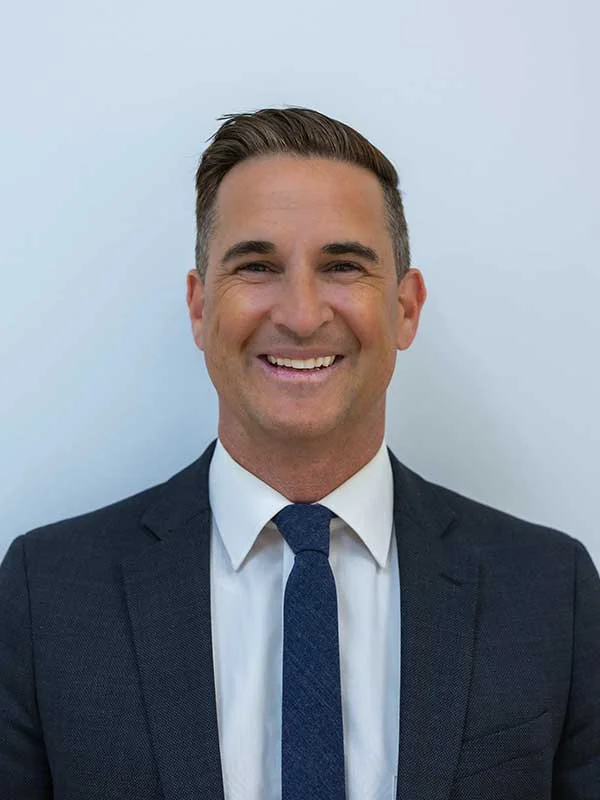
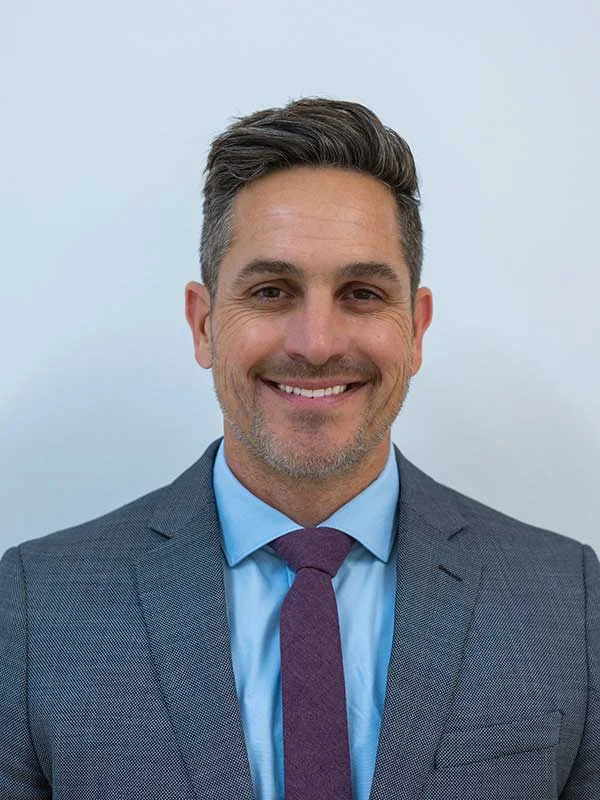
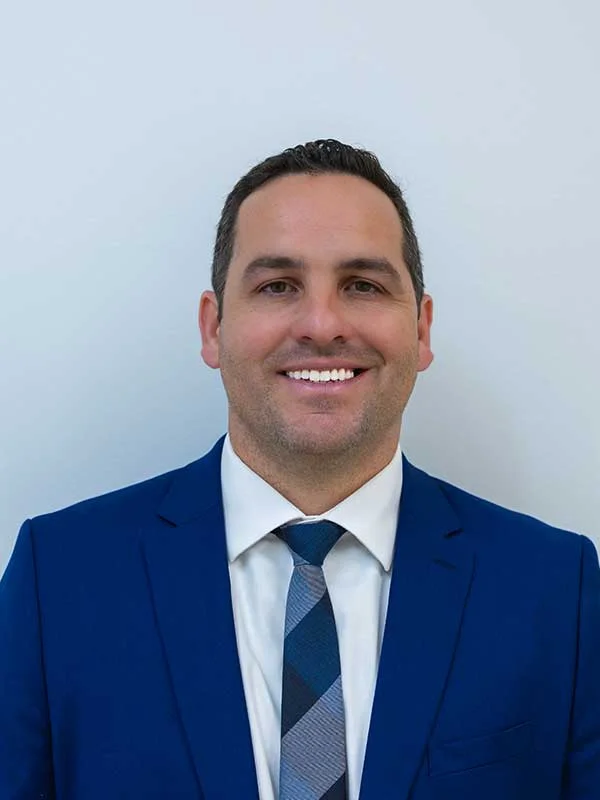
Meet your Devoted
California attorneys.

Statewide case evaluations on every call. Three licensed lawyers, 51 years combined experience. Two of three are fluent in Spanish.

No Victory · No Fee

You pay nothing unless we win your case.

We work on a contingency-fee basis: one-third if the case settles before suit, 40% if litigation is required.

California FAQ

Common California personal-injury questions, answered.

How long do I have to file a personal injury claim in California?
+
Two years from the date of injury under CCP § 335.1. Government-entity claims require a notice of claim within six months under Gov. Code § 911.2. Wrongful-death claims are two years from the date of death. Miss the applicable deadline and the claim may be barred - regardless of how strong the facts are.
What is California's minimum auto insurance - and what changed?
+
Since January 1, 2025, each California driver needs to carry at least $30,000 per person and $60,000 per accident in bodily-injury liability, plus $15,000 in property-damage liability. SB 1107 (the Protect California Drivers Act) raised the minimums from the old $15k/$30k/$5k figures.
Do you take cases statewide?
+
Yes. Our office is in Oceanside, California, and we accept personal-injury cases throughout the State of California - from San Diego County to the Bay Area to the Central Valley to Sacramento. We come to you: home, hospital, our office, or video.
How does California comparative negligence work?
+
California uses pure comparative negligence. Your recovery is reduced by your share of fault, but you can recover something even if you were mostly at fault. Example: $100,000 damages, 30% your fault - you recover $70,000. The rule comes from Li v. Yellow Cab Co. (1975) and is applied through CACI 405.
What if a government vehicle caused my California accident?
+
Government-entity claims (state vehicles, county vehicles, city buses, public-property defects) require a notice of claim within six months under Gov. Code § 911.2 - before any lawsuit can be filed. The shorter clock catches most California PI claimants off guard.
How much does it cost to hire a Devoted California attorney?
+
We work on a contingency-fee basis. You pay nothing upfront, and we only get paid if we win your case.
Do you speak Spanish?
+
Sí. Derek Waldron y Jeff Waldron son bilingües. Hablamos Español. A bilingual attorney can be on the call within the hour.
What kinds of cases do you handle across California?
+
Twelve practice areas: car, motorcycle, truck, rideshare (Uber & Lyft), bicycle, pedestrian, e-bike, scooter, and skateboarding accidents, plus slip and fall (premises liability), dog bites, and wrongful death. We do not take medical malpractice, dental malpractice, attorney malpractice, assault/battery, or product-defect cases.
Other California Cities We Serve

From Oceanside to Sacramento, statewide.

Free Case Review

One call.
One team.
One less thing
to worry about.

Get a fast case evaluation. Free 24/7 consultation. No fee unless we win. Hablamos Español.

Call now · 24/7
(888) 760-2LAW
Available 24/7
No fee unless we win
We come to you
Free Case Evaluation
Tell us what happened.

Real human response within minutes. Your information is confidential and not sold.