

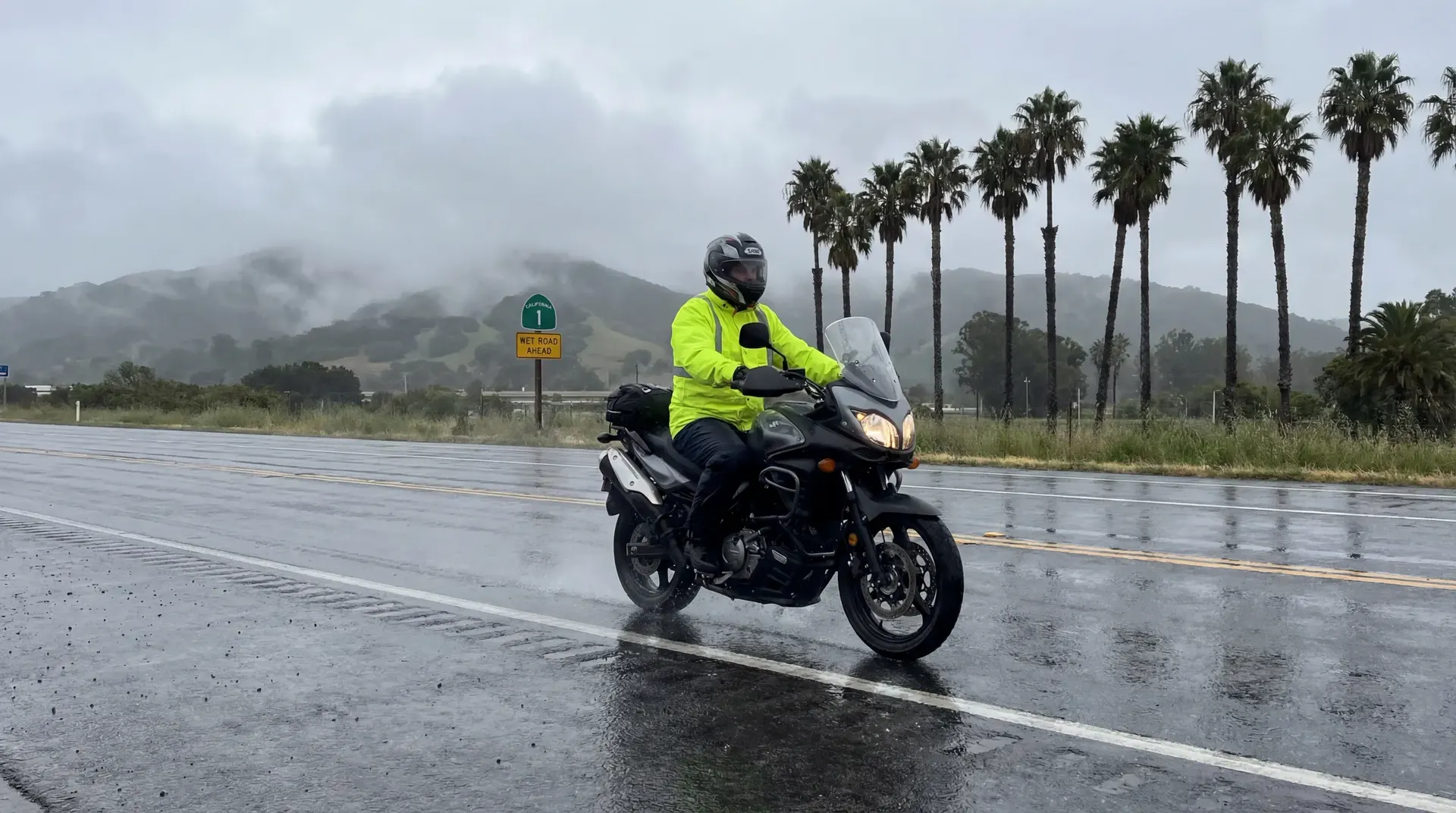
Top 5 Tips for Safe Winter Motorcycle Riding in Southern California
Southern California is famous for its "endless summer," but local riders know the truth: winter brings a unique set of hazards to our roads.
Southern California is famous for its "endless summer," but local riders know the truth: winter brings a unique set of hazards to our roads. While we don't often battle blizzards or black ice like our East Coast counterparts, the shift in weather patterns from December to March catches many motorcyclists off guard. Rain-slicked freeways, reduced visibility, and surprisingly chilly mornings can turn a routine commute into a dangerous ride.
At Devoted Injury Lawyers, we see an uptick in motorcycle accident cases during these months. Often, these aren't caused by recklessness, but by a failure to adapt to the subtle but significant changes in road conditions. Staying safe requires more than just skill; it requires preparation and a shift in mindset.
This guide outlines five crucial tips for navigating SoCal's winter roads, helping you stay upright and arrive safely.
1. Respect the First Rain Phenomenon
If you ride in Los Angeles, San Diego, or Orange County, you know that rain is rare. This scarcity creates a specific hazard known as the "first rain." When it hasn't rained for weeks or months, oil, grease, and rubber dust accumulate on the asphalt.
When the first drops of winter rain fall, they mix with these deposits to form a slick, soap-like layer on the road surface. This mixture is incredibly slippery, often more dangerous than a heavy downpour that eventually washes the grime away.
How to handle it:
- Wait it out: If possible, wait an hour or two after the rain starts. Let the heavy water wash away the surface oil.
- Avoid the center: The center of the lane is where cars drip the most oil. Ride in the tire tracks of the vehicles ahead of you, where the pavement is cleaner and offers better traction.
- Increase following distance: Your braking distance increases significantly on slick roads. Give yourself extra space to react without locking up your wheels.
How long do I have to file a motorcycle accident claim in California?
For most California personal injury claims, including this category, the statute of limitations is two years from the date of the injury under CCP § 335.1. Government claims (against a city, county, or state agency) have a much shorter six-month window under Gov. Code § 911.2 - so do not wait to call.
2. Upgrade Your Gear for Micro-Climates
One of the trickiest aspects of riding in Southern California is the micro-climates. You might leave the Inland Empire in 45-degree weather, hit 70 degrees in Los Angeles, and then drop back into the 50s along the coast. Hypothermia is a real risk for motorcyclists, even in California. When your body temperature drops, your reaction times slow down, and your dexterity decreases-making it harder to operate the clutch and brake smoothly.
Layering is key:
- Base layers: Invest in moisture-wicking thermal underwear. Staying dry is essential to staying warm.
- Wind protection: A windproof jacket or liner is non-negotiable. At 65 mph, a 50-degree day feels freezing due to wind chill.
- Glove choices: Cold hands are dangerous hands. If you may not feel your levers, you may not control your bike. Consider heated grips or insulated winter gloves that still allow for tactile feedback.
According to the National Highway Traffic Safety Administration (NHTSA), proper gear is a leading thing between you and the road. Don't compromise on protection just because the sun is out.
3. Maximize Your Visibility
Winter in the Northern Hemisphere means shorter days. Commuters often leave in the dark and return in the dark. In Southern California specifically, the lower angle of the winter sun can create blinding glare during morning and evening rush hours. If you may not see the drivers around you, assume they may not see you either.
Strategies to be seen:
- Hi-Viz gear: It might not look "cool," but high-visibility vests or helmets significantly increase your chances of being spotted by distracted drivers.
- Reflective tape: Add reflective tape to your panniers, helmet, or wheel rims. It catches headlights effectively at night.
- Lane positioning: Don't hide in blind spots. Position yourself where you are most visible in a driver's side or rearview mirror. If you can see their face in the mirror, there's a better chance they can see you.
4. Check Your Tires Before Each Ride
Your tires are your typically connection to the road. In cold weather, tire pressure drops-roughly 1-2 PSI for each 10-degree drop in temperature. Under-inflated tires handle poorly and heat up slower, reducing grip when you need it most.
Furthermore, cold tires on cold asphalt offer significantly less traction than warm tires on warm asphalt. That canyon road you carve up in July will feel very different in January.
The pre-ride checklist:
- Pressure check: Use a quality gauge to check pressure when the tires are cold.
- Tread depth: Winter roads are often wet roads. You need adequate tread depth to channel water away and prevent hydroplaning. The legal minimum in California is 1/32 of an inch, but for safety, you should replace tires well before they get that low.
- Warm-up: Take it easy for the first few miles. Give your tires a chance to come up to operating temperature before leaning hard into corners.
5. Watch for Debris and Potholes
Winter storms in California often bring wind and runoff. This washes debris-gravel, mud, trash, and tree branches-onto the roadways. Canyons and coastal highways like PCH are particularly notorious for rocks falling into the roadway after a storm.
Additionally, the cycle of rain and heavy traffic accelerates the formation of potholes. Hitting a pothole on a motorcycle can bend a rim, cause a blowout, or throw you off balance instantly.
Scanning techniques:
- Look far ahead: Don't stare at the front wheel. Scan 12 seconds ahead of your path to identify debris early.
- Avoid puddles: You rarely know how deep a puddle is or what it's hiding. A shallow-looking puddle could be a deep pothole capable of causing a crash.
- Stay alert in canyons: If you are riding in the mountains, assume each blind corner has gravel or rocks in the apex until you see otherwise.
Conclusion
Riding in Southern California winters is a privilege many other riders don't have, but it demands respect. By adjusting your riding style, upgrading your gear, and staying hyper-aware of road conditions, you can enjoy the season safely.
At Devoted Injury Lawyers, we are passionate about rider safety because we see the aftermath when things go wrong. If you or a loved one has been injured in a motorcycle accident due to someone else's negligence, we are here to help you navigate the legal road ahead. Ride safe, stay warm, and keep the rubber side down.
What should I do today?
Take three steps right now: (1) get any needed medical care and follow through with each visit, (2) photograph injuries, vehicles, scene, and any property damage before it changes, and (3) call us before talking to the at-fault insurer. Call (888) 760-2LAW for a free, no-pressure consultation, or visit our contact page to send the details. We answer 24/7, work on contingency, and will tell you straight whether you might have a case. Past results do not guarantee a similar outcome.
Disclaimer: The information provided on DevotedInjuryLawyers.com is for general informational purposes only and does not constitute legal advice.
Jeff Yates, Esq.
CA Bar #332659 · Admitted 2021 · PI since 2011
Jeff is the founding partner of Devoted Injury Lawyers. He has worked in California personal injury since 2011 and holds a Justia 10.0 rating. He is the default legal reviewer for Devoted blog content.
Read Jeff's full bio →One call.
One team.
One less thing
to worry about.
Get a fast case evaluation. Free 24/7 consultation. No fee unless we win. Hablamos Español.