

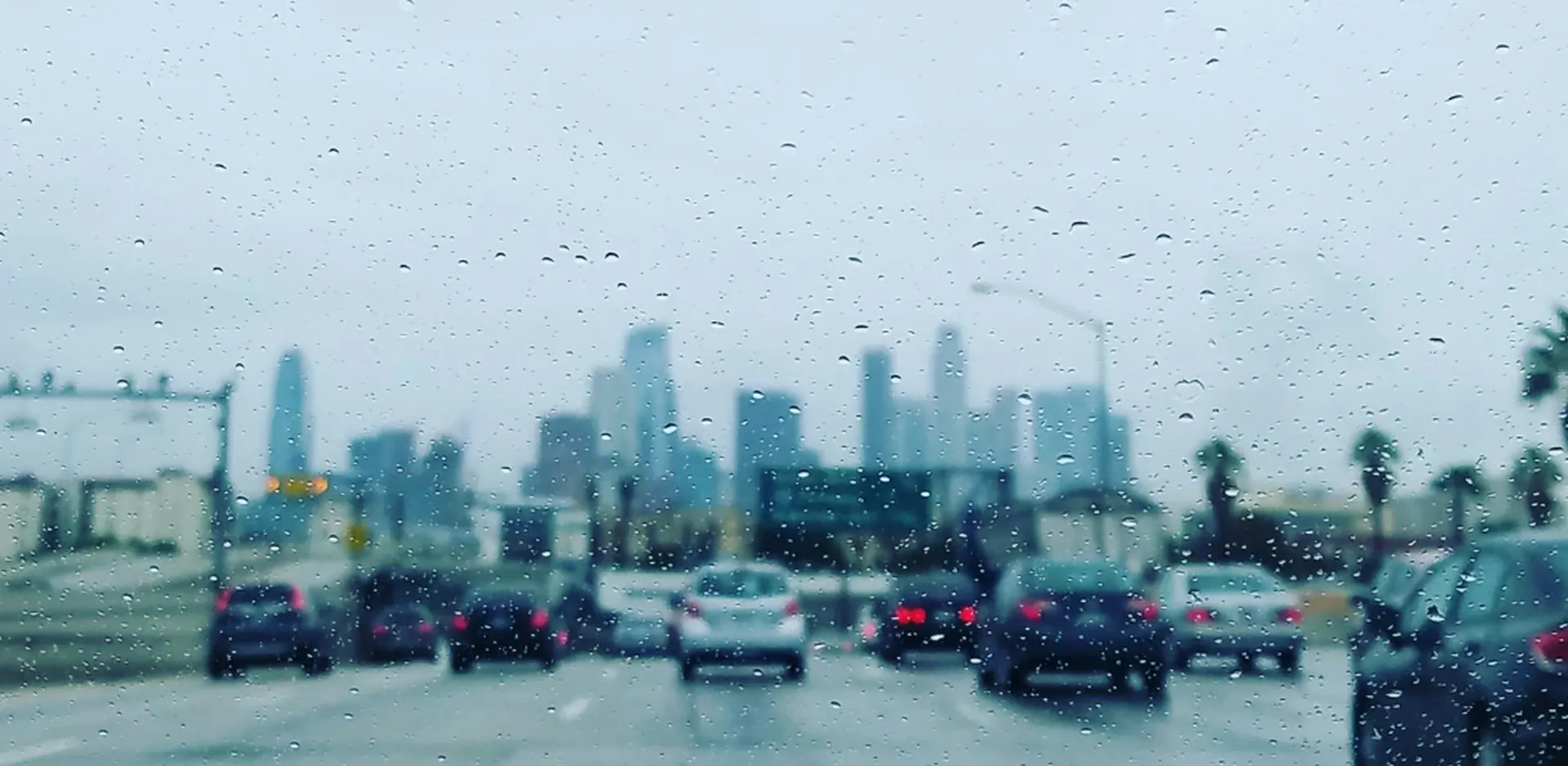
How Weather Conditions Contribute to Car Accidents in San Diego
San Diego's Mediterranean climate might fool you into thinking weather-related car accidents are rare. However, the reality tells a different story.

San Diego's Mediterranean climate might fool you into thinking weather-related car accidents are rare. However, the reality tells a different story. When unexpected weather strikes our sun-drenched city, drivers often find themselves unprepared for rapidly changing road conditions. Understanding how weather impacts driving safety can help you stay protected while navigating San Diego's highways and surface streets.
The Unexpected Danger of San Diego's Weather Patterns
San Diego receives approximately 10 inches of rainfall annually, with most precipitation occurring between December and March. Yet it's the late-summer rainstorms that catch drivers off guard, creating some of the most hazardous driving conditions throughout the year.
According to the California Highway Patrol, wet road conditions contribute to thousands of crashes annually, with many occurring during the first significant rainfall after dry periods. The agency says the number of people who call the CHP doubles when it rains because drivers are going too fast.
How long do I have to file a car accident claim in California?
For most California personal injury claims, including this category, the statute of limitations is two years from the date of the injury under CCP § 335.1. Government claims (against a city, county, or state agency) have a much shorter six-month window under Gov. Code § 911.2 - so do not wait to call.
Late-Summer Rainstorms: San Diego's Hidden Road Hazard
The First Rain Effect
After months of dry weather, San Diego roads accumulate oil, rubber particles, and debris. When the first substantial rain arrives-often in late August or September-these substances create an extremely slippery surface. This phenomenon, known as the "first rain effect," makes roads more dangerous than they would be during regular winter storms.
The California Department of Transportation notes that the first quarter-inch of rainfall creates the most treacherous conditions. Oil and grease rise to the surface, creating a film that significantly reduces tire traction.
Microclimates and Sudden Weather Changes
San Diego's unique geography creates numerous microclimates. A driver might encounter clear skies in Hillcrest, face sudden downpours in Mission Valley, and find wet roads in Balboa Park-many within a 10-minute drive. These rapid weather changes don't give drivers adequate time to adjust their driving habits.
How Weather Conditions Increase Accident Risk
Reduced Visibility
Heavy rain, fog, and even bright sun can dramatically reduce visibility. The Federal Highway Administration reports that heavy rain can reduce visibility to less than a quarter-mile. In San Diego's dense traffic, this creates dangerous conditions where drivers may not see vehicles, pedestrians, or road hazards until it's too late to react.
Decreased Vehicle Performance
Wet roads increase stopping distances by up to 25%. Your vehicle's anti-lock braking system works harder on slippery surfaces, and even modern traction control systems have limitations. During late-summer storms, when roads are at their slipperiest, these performance decreases become critical safety factors.
Hydroplaning Risk
Hydroplaning occurs when your tires lose contact with the road surface due to water buildup. This can happen at speeds as low as 35 mph on San Diego's older roadways, which may have poor drainage or worn surfaces. Interstate 5 through downtown and portions of Highway 163 are particularly susceptible during heavy rainfall.
Common Weather-Related Accidents in San Diego
Rear-End Collisions
Reduced visibility and longer stopping distances make rear-end collisions the most common weather-related accident type. These crashes often occur when drivers maintain normal following distances despite hazardous conditions.
Lane-Change Accidents
Sudden weather changes catch drivers unprepared, leading to poor decision-making during lane changes. Wet road markings become harder to see, and drivers may misjudge distances between vehicles.
Single-Vehicle Accidents
Loss of vehicle control due to hydroplaning or reduced traction frequently results in drivers striking guardrails, median barriers, or roadside objects. These accidents are particularly common on curved sections of highways like those found on Highway 52 and Interstate 8.
Intersection Collisions
Wet roads make it difficult to stop quickly at intersections. Yellow lights become more dangerous as drivers struggle to determine whether they can safely stop or should proceed through the intersection.
Protecting Yourself During Weather-Related Driving
Pre-Storm Preparation
Check your tires regularly. Proper tread depth is crucial for maintaining traction on wet roads. The penny test can help: insert a penny into your tire's tread groove with Lincoln's head upside down. If you can see the top of Lincoln's head, your tires need replacement.
Ensure your windshield wipers are in good condition. Replace them each six months or whenever they begin streaking or chattering across your windshield.
Safe Driving Techniques
Reduce your speed significantly when roads become wet. The Federal Motor Carrier Safety Administration (FMCSA) recommends reducing speed by at least one-third during rain conditions.
Increase your following distance to at least four seconds during wet conditions. This extra space provides crucial reaction time when visibility is reduced and stopping distances are extended.
Use your headlights during any precipitation, even light rain. California law requires headlights when windshield wipers are in use.
Navigation Strategies
Plan alternative routes that avoid known flood-prone areas. Parts of Mission Valley, particularly near the San Diego River, can experience rapid water accumulation during heavy rainfall.
Stay informed about weather conditions throughout your journey. San Diego's microclimates mean conditions can change rapidly as you travel between neighborhoods.
When Weather-Related Accidents Happen
Despite your best efforts, accidents can still occur during adverse weather conditions. Understanding your rights and options following a weather-related crash is essential for protecting your interests.
Determining Fault in Weather-Related Crashes
Weather conditions don't automatically absolve drivers of responsibility. Courts and insurance companies evaluate whether drivers took reasonable precautions given the conditions. Factors considered include:
- Speed relative to conditions
- Following distance maintained
- Proper use of headlights and signals
- Vehicle maintenance (particularly tires and brakes)
- Driver experience and reaction to conditions
Insurance Considerations
Weather-related accidents often involve complex insurance claims. Multiple factors may contribute to the crash, including road design, vehicle maintenance, and driver behavior. Insurance adjusters may attempt to minimize payouts by attributing accidents solely to weather conditions.
Legal Support for Weather-Related Accident Victims
At Devoted Injury Lawyers, we understand that weather-related accidents often involve unique circumstances that require thorough investigation. Our experienced team examines many factors contributing to your accident, from road conditions and weather data to vehicle maintenance records and traffic patterns.
We work with accident reconstruction specialists and meteorological experts to build strong cases that accurately represent the circumstances of your crash. This comprehensive approach helps ensure you receive fair compensation for your injuries and damages.
Why Professional Legal Help Matters
Weather-related accident cases frequently involve disputes about fault determination and the reasonableness of driver actions given the conditions. Insurance companies may argue that weather was the sole cause of an accident, attempting to reduce their liability.
Our legal team thoroughly investigates each case, gathering evidence such as:
- Weather reports and precipitation data
- Road condition assessments
- Traffic camera footage
- Witness statements
- Vehicle maintenance records
- Cell phone records to check for distraction
Building Safer Driving Habits Year-Round
Developing consistent safe driving practices helps you handle unexpected weather changes more effectively. Regular vehicle maintenance, staying informed about weather forecasts, and practicing defensive driving techniques create habits that serve you well when conditions deteriorate.
Consider taking a defensive driving course that includes weather-related scenarios. Many insurance companies offer discounts for completing these programs, and the skills learned can prevent accidents and save lives.
Moving Forward After a Weather-Related Accident
Recovery from a weather-related accident involves both physical healing and legal resolution. While weather may have contributed to your accident, you shouldn't bear the full financial burden if another driver's negligence played a role in the crash.
If you've been injured in a weather-related accident in San Diego, contact Devoted Injury Lawyers for a free consultation. We'll evaluate your case, explain your rights, and help you navigate the complex process of seeking compensation for your injuries and damages.
Remember, taking legal action isn't just about your individual case-it helps promote safer driving practices and holds negligent drivers accountable for their actions, regardless of weather conditions.
Weather-related accidents are often preventable through proper preparation, safe driving practices, and vehicle maintenance. However, when accidents do occur, understanding your rights and having experienced legal representation can make the difference between a fair resolution and shouldering unnecessary financial burdens during your recovery.
What should I do today?
Take three steps right now: (1) get any needed medical care and follow through with each visit, (2) photograph injuries, vehicles, scene, and any property damage before it changes, and (3) call us before talking to the at-fault insurer. Call (888) 760-2LAW for a free, no-pressure consultation, or visit our contact page to send the details. We answer 24/7, work on contingency, and will tell you straight whether you might have a case. Past results do not guarantee a similar outcome.
Disclaimer: The information provided on DevotedInjuryLawyers.com is for general informational purposes only and does not constitute legal advice.
Jeff Yates, Esq.
CA Bar #332659 · Admitted 2021 · PI since 2011
Jeff is the founding partner of Devoted Injury Lawyers. He has worked in California personal injury since 2011 and holds a Justia 10.0 rating. He is the default legal reviewer for Devoted blog content.
Read Jeff's full bio →One call.
One team.
One less thing
to worry about.
Get a fast case evaluation. Free 24/7 consultation. No fee unless we win. Hablamos Español.