

Multi-Car Pileups in California: Your Essential Survival Guide
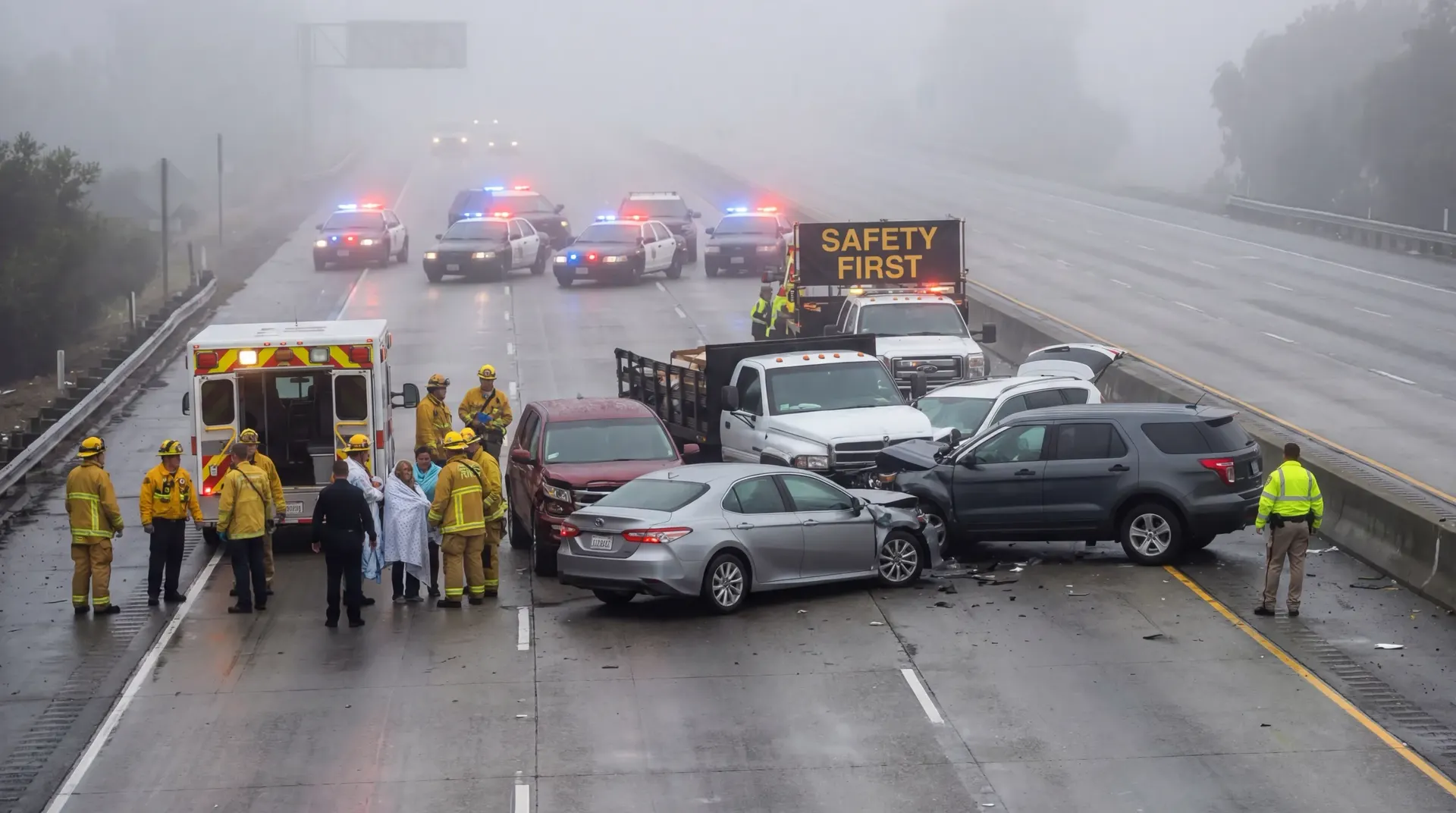
Few things are more terrifying than seeing brake lights ahead, slamming on your own, and realizing the cars behind you aren't stopping. Multi-car pileups, chain-reaction crashes involving three or more vehicles, are unfortunately common on California’s busy freeways.
Few things are more terrifying than seeing brake lights ahead, slamming on your own, and realizing the cars behind you aren't stopping. Multi-car pileups, chain-reaction crashes involving three or more vehicles, are unfortunately common on California’s busy freeways. From the dense fog of the Central Valley to the heavy congestion of Los Angeles, these accidents happen in seconds but create legal and medical complications that last for years.
If you find yourself in the middle of this chaos, knowing exactly what steps to take can protect your health and your legal rights. At Devoted Injury Lawyers, we have seen how complex these cases can get. Determining who is at fault when ten cars are involved isn't simple, but we specialize in untangling that mess for you.
Here is what you need to know to navigate the aftermath of a multi-vehicle collision in California.
The Unique Danger of Chain-Reaction Crashes
Multi-car accidents are legally distinct from a simple fender bender between two drivers. In a standard two-car accident, it is usually clear who hit whom. In a pileup, the sequence of events is often a blur.
According to the National Highway Traffic Safety Administration (NHTSA), nearly 29% of many traffic accidents are rear-end collisions, which are the primary trigger for pileups. In California, factors like sudden fog, distracted driving, or a single driver making an unsafe lane change can trigger a domino effect.
Why does this matter to you? Because insurance companies love the confusion. When multiple cars are involved, each insurer points the finger at someone else. Without a clear strategy, victims often get lost in the shuffle, receiving lowball offers or having their claims denied largely.
Immediate Steps: Safety First, Evidence Second
Your actions in the first few minutes after the crash are critical. The adrenaline will be high, but try to stay calm and follow this checklist.
1. Assess Medical Needs and Call 911
Do not assume you are okay just because you can walk. Injuries like whiplash, concussions, and internal bleeding often have delayed symptoms. Call 911 immediately. In California, you are legally required to report accidents involving injury or significant property damage. The police report generated by the California Highway Patrol (CHP) or local police will be the foundation of your future claim.
2. Move to Safety (If Possible)
If your car is drivable and you are in an active traffic lane, move to the shoulder. However, if you are pinned or unsure about the safety of moving, stay inside with your seatbelt fastened. Exiting a vehicle on a busy freeway is incredibly dangerous, especially if secondary collisions are still happening.
3. Do Not Apologize
This is difficult for many people, but it is crucial. Do not say "I'm sorry" or "I didn't see you stop." In the chaos of a pileup, these innocent phrases can be twisted by insurance adjusters as an admission of guilt. Ask if others are okay, but discuss the details of the crash typically with the police.
Gathering Evidence in Chaos
Once the scene is secure, and if you are medically able, start collecting evidence. In a multi-car pileup, evidence disappears quickly as tow trucks arrive and lanes are cleared.
- Take Photos and Video: Capture the positions of many vehicles, skid marks, debris fields, and weather conditions. A wide shot showing the entire scene is invaluable for accident reconstruction experts.
- Get Witness Info: Bystanders often have a better view of who started the chain reaction than the drivers involved. Get names and phone numbers immediately.
- Exchange Information: Try to get insurance details from as many involved drivers as possible. If the scene is too large or dangerous, wait for the police report, which should contain this data.
Determining Fault in California Pileups
California operates under a pure comparative negligence system. This means that multiple people can share the blame for an accident.
For example, Driver A might have stopped suddenly because they were texting (50% at fault), but Driver B was tailgating them (30% at fault), and you were hit by Driver C who was speeding (20% at fault).
Even if you are found partially at fault, you can still recover damages, though your compensation will be reduced by your percentage of fault. This is why you need a skilled attorney. Insurance companies will fight tooth and nail to assign a higher percentage of fault to you to save money.
The "Proximate Cause"
In legal terms, we look for the "proximate cause"-the primary action that set the chain of events in motion. Was it the first car that braked unexpectedly? Or was it the third car that failed to stop, pushing the second car into the first? Unraveling this requires deep investigation, often involving:
- Police report analysis
- Surveillance footage (from traffic cameras or nearby businesses)
- Vehicle "black box" data (EDR)
- Witness testimony
Dealing with Insurance Companies
After a multi-car accident, you may be contacted by several different insurance adjusters. They might seem friendly, asking how you are feeling or offering a quick settlement check.
Proceed with extreme caution.
Accepting a quick settlement often means signing away your right to future compensation. If your neck pain turns into a chronic spinal issue six months from now, you may not go back for more money.
Tell adjusters that you are consulting with an attorney and will not be giving a recorded statement at this time. This protects you from accidentally saying something that could damage your claim.
Why You Need Devoted Injury Lawyers
Handling a claim against one bad driver is hard enough. Handling claims involving four, five, or ten drivers, plus their insurance companies and lawyers, is a full-time job.
At Devoted Injury Lawyers, we take that burden off your shoulders. We know how to investigate complex California pileups. We work with accident reconstruction specialists who can map out exactly how the collision occurred, proving who is truly liable for your injuries.
We focus on securing compensation for:
- Medical Bills: current and future treatments.
- Lost Wages: paychecks missed while you recover.
- Pain and Suffering: the physical and emotional toll of the crash.
- Property Damage: repairing or replacing your vehicle.
Frequently Asked Questions (FAQs)
What if the driver who caused the pileup is uninsured?
California has a high rate of uninsured drivers. If the at-fault driver has no coverage, you may be able to file a claim under your own Uninsured/Underinsured Motorist (UM/UIM) coverage. We can review your policy to see if this applies to you.
How long do I have to file a lawsuit?
In California, the statute of limitations for personal injury cases is generally two years from the date of the accident. While that sounds like a long time, building a complex multi-car case takes time. Waiting too long can result in lost evidence and a number of other issues that may lower the value of your claim.
Can I sue if I was partially at fault?
Yes. Because of California's comparative negligence laws, you can still recover damages even if you were partly to blame, as long as you weren't 100% at fault.
Your Path to Recovery Starts Here
A multi-car pileup can turn your life upside down in an instant. The medical appointments, the calls from adjusters, and the repair bills can feel overwhelming. You don't have to face this alone.
Devoted Injury Lawyers is committed to fighting for victims of complex roadway accidents. We understand the tactics insurance giants use to minimize payouts, and we have the expertise to counter them. Our goal is to ensure you get the maximum compensation possible so you can focus on what matters most: healing.
If you or a loved one has been injured in a multi-vehicle crash, contact us today for a free consultation. Let us be your advocates on the road to recovery.
What should I do today?
Take three steps right now: (1) get any needed medical care and follow through with each visit, (2) photograph injuries, vehicles, scene, and any property damage before it changes, and (3) call us before talking to the at-fault insurer. Call (888) 760-2LAW for a free, no-pressure consultation, or visit our contact page to send the details. We answer 24/7, work on contingency, and will tell you straight whether you might have a case. Past results do not guarantee a similar outcome.
Disclaimer: The information provided on DevotedInjuryLawyers.com is for general informational purposes only and does not constitute legal advice.
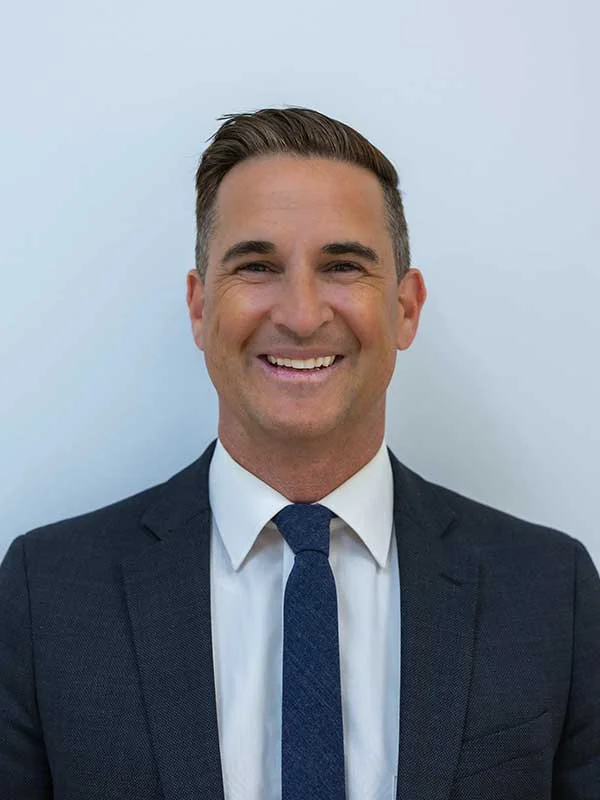
Jeff Yates, Esq.
CA Bar #332659 · Admitted 2021 · PI since 2011
Jeff is the founding partner of Devoted Injury Lawyers. He has worked in California personal injury since 2011 and holds a Justia 10.0 rating. He is the default legal reviewer for Devoted blog content.
Read Jeff's full bio →One call.
One team.
One less thing
to worry about.
Get a fast case evaluation. Free 24/7 consultation. No fee unless we win. Hablamos Español.