

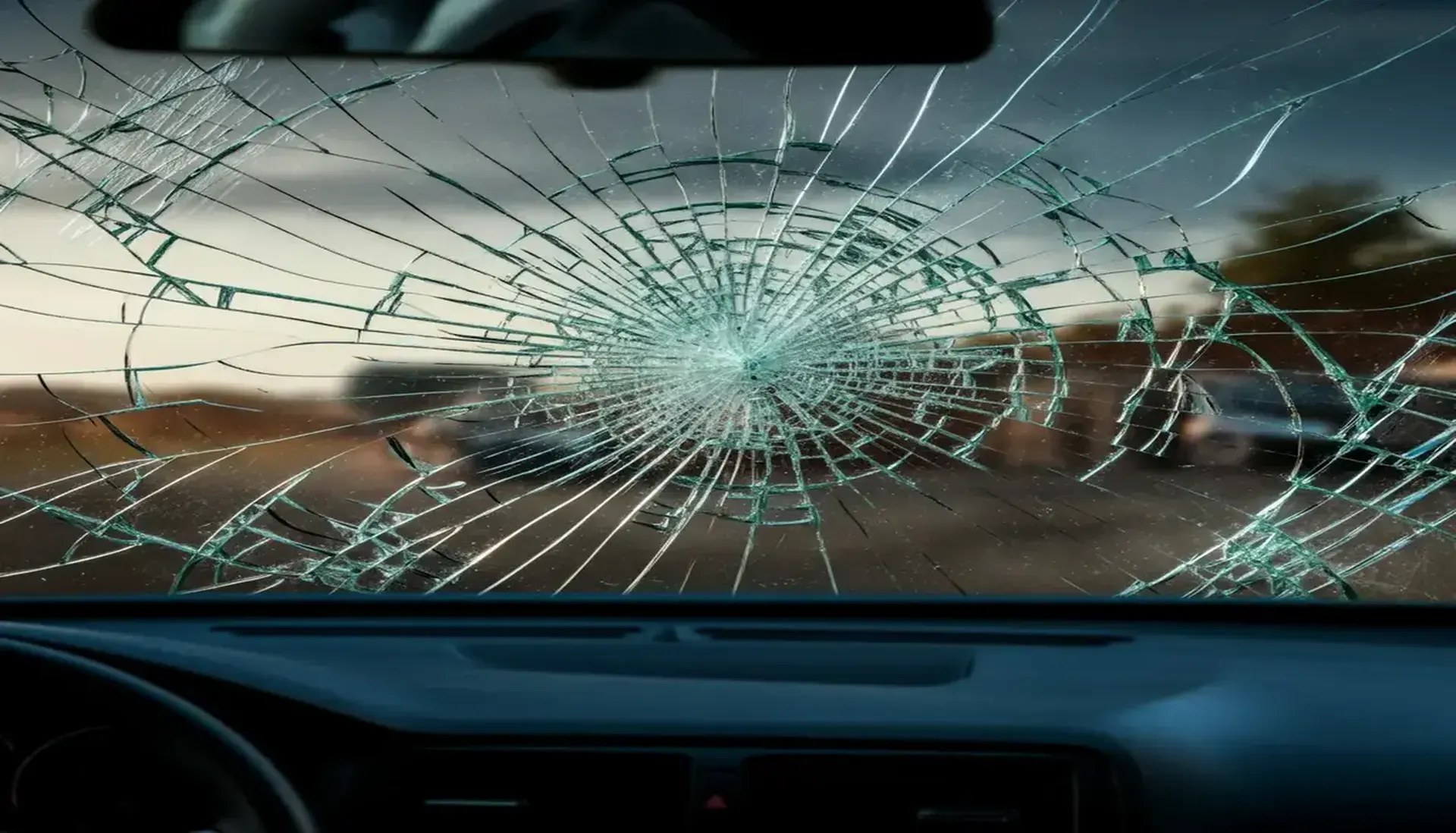
Understanding Head On Collisions: Causes, Effects, and Legal Insights
Introduction to Head-On Car Accidents Car accidents, including head on collisions, are serious crashes that can result in severe injuries and fatalities due to the high impact between two vehicles traveling in opposite directions.

Quick answer: Under California law - specifically CCP § 335.1 - most personal injury claims have a two-year deadline from the date of injury (one year for medical malpractice, which we do not handle). Acting quickly preserves evidence, witness memories, and your right to recover medical bills, lost income, and pain and suffering. Devoted Injury Lawyers is a contingency-fee firm - you pay no fee unless we win.
Introduction to Head-On Car Accidents
Car accidents, including head on collisions, are serious crashes that can result in severe injuries and fatalities due to the high impact between two vehicles traveling in opposite directions. A head on crash often occurs when one vehicle crosses into opposing lanes and collides with the front ends of an oncoming vehicle, leading to a crash with another vehicle. The force of impact in head on collisions can cause significant damage to both vehicles and their occupants. Understanding the causes and consequences of head on collisions is crucial for preventing such accidents and seeking fair compensation for victims. Head on collisions can happen on any roadway, but are more common on highways and roads with high speeds. However, head on collisions make up a relatively small percentage of overall car crashes.
How long do I have to file a car accident claim in California?
For most California personal injury claims, including this category, the statute of limitations is two years from the date of the injury under CCP § 335.1. Government claims (against a city, county, or state agency) have a much shorter six-month window under Gov. Code § 911.2 - so do not wait to call.
Causes of Accidents
Distracted driving is a leading cause of head on collisions, as it can cause a driver to veer into oncoming traffic. Driver’s negligence caused many head on crashes, such as wrong-way driving or failure to control the vehicle, which can also lead to severe accidents. Many head on collisions occur due to the other driver's negligence, such as speeding or reckless driving. Distracted driving is particularly common with the rise of smartphones, as drivers may take their eyes off the road. Poor road conditions, weather, and vehicle maintenance can also contribute to head on collisions. Fatigued or impaired drivers are more likely to be involved in head on collisions due to their reduced reaction time and judgment. Establishing fault is crucial in head on crashes, as proving which driver's negligence caused the accident is essential for securing compensation and determining legal responsibility.
Common Injuries
Head injuries, including traumatic brain injuries (TBIs), are common in head on collisions due to the force of impact. Head strikes against the steering wheel are a frequent cause of head injuries in these accidents, potentially resulting in skull fractures and serious neurological damage. Spinal cord injuries can also occur, leading to partial or complete paralysis. Broken bones, severe lacerations, and internal injuries are also possible in head on collisions. The severity of injuries for those injured can vary depending on the speed of the vehicles and the use of safety features such as airbags. Victims of head on collisions often suffer significant harm and may require extensive medical treatment and legal assistance. Head on collisions can result in severe and long-lasting injuries, affecting a person’s quality of life.
Traumatic Brain Injuries
Traumatic brain injuries (TBIs) can range from mild concussions to severe brain damage. TBIs can cause cognitive, emotional, and behavioral changes, affecting a person’s daily life. Severe TBIs can lead to permanent disability, requiring ongoing medical treatment and care. The brain’s surface can be damaged in a head on collision, and such impacts can also cause tears or contusions in the brain tissue, leading to serious neurological consequences and long-term complications. Concussion symptoms can include headaches, dizziness, memory problems, and emotional changes. Medical assistance is essential for treating TBIs and preventing further damage.
Head On Collisions
Head on collisions involve two vehicles traveling in opposite directions, resulting in a front-end crash. The impact of a head on collision can be devastating, causing significant vehicle damage to both vehicles. A double impact can also occur when occupants experience a secondary collision inside the vehicle, such as striking the dashboard or another part of the interior, compounding the trauma and injuries. Head on collisions can occur on any type of road, but are more common on highways and rural roads. The speed of the vehicles involved can increase the severity of the collision and the resulting injuries. Head on collisions can be fatal, emphasizing the importance of safe driving practices.
Consequences of Head On Collisions
Head on collisions often result in some of the most severe consequences seen in car accidents. The immense force generated when two vehicles collide front-to-front can cause catastrophic injuries, particularly to the head and spine. Victims frequently suffer traumatic brain injuries, which may lead to ongoing complications such as persistent headaches, nausea, and difficulties with movement or speech. Spinal cord injuries are also common, sometimes resulting in permanent disability and a profound impact on a person’s quality of life. Neck injuries, including whiplash, are common in head-on collisions and can lead to chronic pain and limited mobility. In addition to these, broken bones and internal injuries can require extensive medical attention and long-term care.
Beyond the physical injuries, the emotional and psychological pain and suffering experienced by those involved in a head on collision can be overwhelming. Many victims face significant personal injury, leading to lost independence, changes in daily routines, and emotional distress. Tragically, some head on collisions are fatal, leaving families to cope with the loss of a loved one and the challenges that follow. Because the consequences can be so severe, it is crucial for anyone involved in a head on collision to seek medical attention immediately, even if injuries are not immediately apparent. Consulting with a personal injury lawyer can also help victims understand their legal rights and pursue fair compensation for the harm they have suffered.
Seeking Medical Attention
Immediate medical attention is crucial after a head on collision, as some injuries may not be immediately apparent. It is important to seek medical attention even if no symptoms are present, as some injuries can develop over time. Medical treatment can help prevent further complications and improve recovery outcomes. Vehicle occupants should be checked for injuries, including head injuries and spinal cord injuries, and their overall well-being should be assessed as part of the post-accident protocol. Medical professionals can provide guidance on the best course of treatment and rehabilitation.
Economic Damages
Economic damages in head on collision cases can include medical expenses, lost wages, and property damage. The cost of medical treatment, including surgery and rehabilitation, can be significant. Lost wages and reduced earning capacity can also be claimed as economic damages. Property damage, including vehicle repair or replacement, can also be included in economic damages. Economic damages can be substantial, emphasizing the importance of seeking fair compensation. Victims may need to file claims for economic damages, such as medical expenses and vehicle repair, to pursue compensation.
Non Economic Damages
Non-economic damages in head on collision cases can include pain, suffering, and emotional distress. The impact of a head on collision on a person’s quality of life can be significant, leading to non-economic damages. Non-economic damages can be difficult to quantify but are essential for ensuring fair compensation. The severity of injuries and the impact on daily life can influence non-economic damages. Non-economic damages can provide closure and recognition of the harm suffered.
Legal Proceedings for Head On Collision Cases
Filing a lawsuit can be necessary to seek fair compensation for head on collision victims, as lawsuits are often the primary means of recovering damages after such accidents. A lawsuit needs to be filed within the statutory time limits, making timely action critical for preserving your right to compensation. After a head on collision, it is important to collect contact details from witnesses and the other driver to support your insurance claim and any potential legal proceedings. Documenting skid marks at the accident scene is crucial, as they can serve as key evidence in reconstructing the crash and establishing fault. Taking photographs of vehicle damage, road signs, skid marks, and debris after a head-on collision can help reconstruct the events. Liability needs to be established, proving that the other driver’s negligence caused the collision, and gathering information from the other driver is essential for building a strong case. Police reports, witness statements, and medical records can be used as evidence in head on collision cases. An experienced personal injury lawyer with extensive knowledge in handling head on collision cases can guide victims through the legal process and help protect their rights. Learn more about our head on collision legal services.
Prevention and Awareness
Preventing head on collisions starts with awareness and responsible driving habits. Distracted driving remains a leading cause of these serious accidents, as even a momentary lapse in attention can cause a vehicle to drift into oncoming traffic. Drivers can help prevent head on collisions by staying focused on the road, avoiding distractions like mobile phones, and rarely driving while fatigued or impaired. It is also important to remain vigilant for vehicles traveling in the wrong direction or showing signs of losing control, as these situations can quickly escalate into a collision.
Many head on collisions are the result of driver’s negligence, making it essential for many drivers to obey traffic laws, maintain safe speeds, and exercise caution, especially on roads with high speeds or limited visibility. Being prepared to react to unexpected hazards in oncoming traffic can make the difference between a close call and a serious accident. In addition to individual responsibility, public education and awareness campaigns play a vital role in informing drivers about the dangers of head on collisions and promoting safer driving practices. By working together to increase awareness and encourage safe behavior, we can help reduce the number of head on collisions and make our roadways safer for many people.
Conclusion and Next Steps
Head on collisions can have devastating consequences, emphasizing the importance of safe driving practices. Seeking medical attention and legal advice is crucial after a head on collision. Fair compensation can help victims recover from their injuries and rebuild their lives. The legal process can be complex, but with the right guidance, victims can navigate it successfully. Remember to discuss your case with a qualified personal injury lawyer to determine the best course of action and ensure your rights are protected.
For expert legal assistance following a head on collision, contact Devoted Injury Lawyers today to schedule a consultation and get the support you need.
What should I do today?
Take three steps right now: (1) get any needed medical care and follow through with each visit, (2) photograph injuries, vehicles, scene, and any property damage before it changes, and (3) call us before talking to the at-fault insurer. Call (888) 760-2LAW for a free, no-pressure consultation, or visit our contact page to send the details. We answer 24/7, work on contingency, and will tell you straight whether you might have a case. Past results do not guarantee a similar outcome.
Disclaimer: The information provided on DevotedInjuryLawyers.com is for general informational purposes only and does not constitute legal advice.
Jeff Yates, Esq.
CA Bar #332659 · Admitted 2021 · PI since 2011
Jeff is the founding partner of Devoted Injury Lawyers. He has worked in California personal injury since 2011 and holds a Justia 10.0 rating. He is the default legal reviewer for Devoted blog content.
Read Jeff's full bio →One call.
One team.
One less thing
to worry about.
Get a fast case evaluation. Free 24/7 consultation. No fee unless we win. Hablamos Español.