

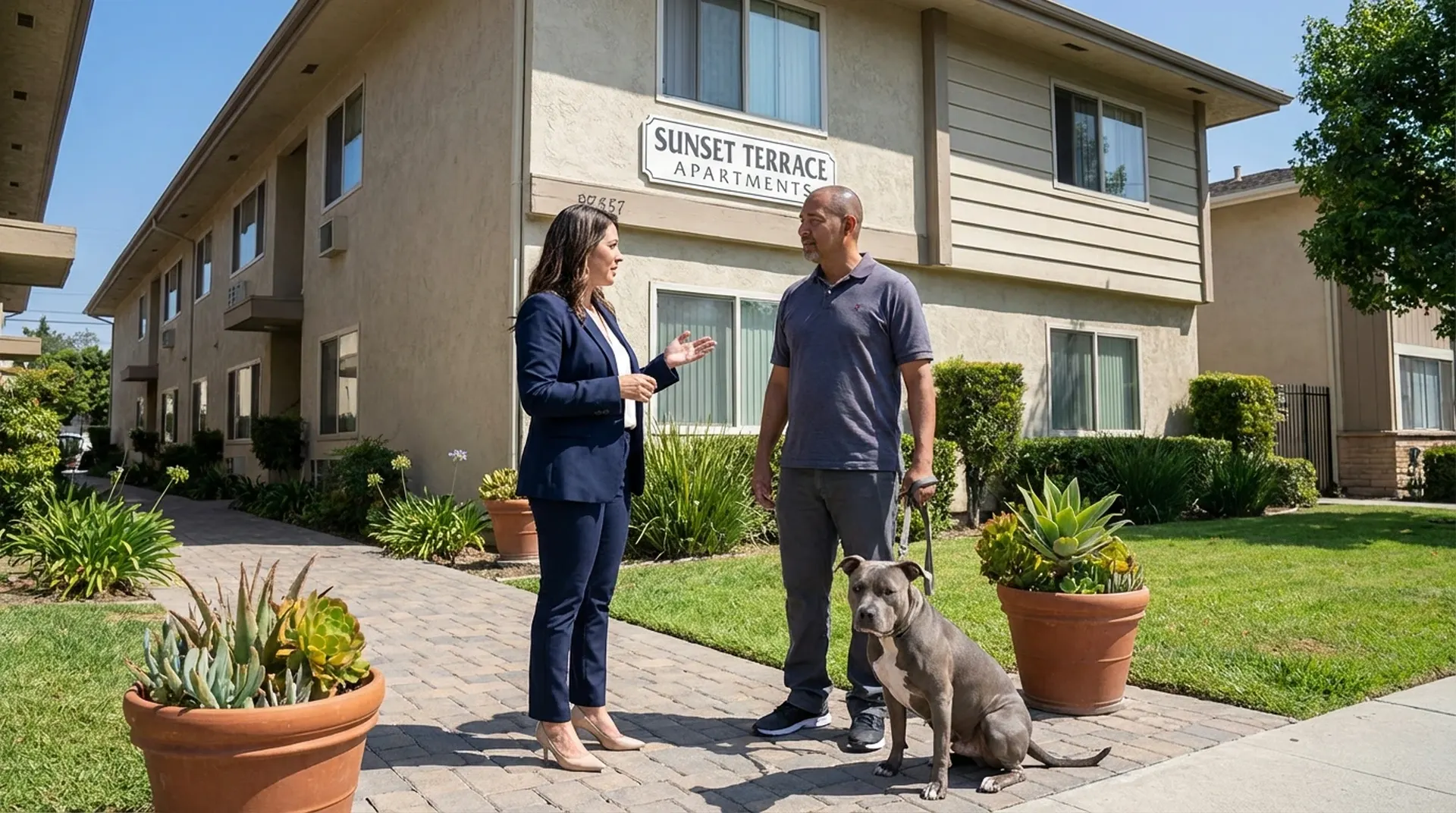
Handling a Dog Bite from a Neighbor’s Pet in Los Angeles
A dog bite can be a traumatic experience, causing physical pain and emotional distress. The situation becomes even more complicated when the dog belongs to a neighbor.

A dog bite can be a traumatic experience, causing physical pain and emotional distress. The situation becomes even more complicated when the dog belongs to a neighbor. What should be a simple relationship with the people next door can quickly become tense and awkward. You may feel torn between preserving a good neighborly relationship and seeking fair compensation for your injuries.
In Los Angeles, specific laws govern dog bite liability, and navigating them while dealing with a neighbor requires a delicate approach. This guide will walk you through the essential steps to take, covering both the legal and personal aspects of handling a dog bite case involving a neighbor’s pet. Understanding your rights and the proper procedures is the first step toward recovery and resolution.
Here, we will cover the immediate actions to take after a bite, the legal landscape in California, how to communicate with your neighbor, and when to seek legal help.
Immediate Steps to Take After a Dog Bite
Your health and safety are the top priorities. After a dog bite, act quickly and methodically to protect your well-being and preserve crucial evidence for a potential claim.
1. Seek Medical Attention Immediately
Even if the bite seems minor, it's vital to see a doctor. Dog bites can lead to serious infections like rabies, tetanus, or cellulitis. A medical professional can properly clean the wound, administer necessary treatments, and reduce the risk of complications.
Seeking prompt medical care also creates an official record of your injuries. This documentation will be essential evidence if you decide to file a claim. Be sure to tell the doctor exactly how the injury occurred and keep copies of many medical reports, bills, and receipts for medications.
2. Identify the Dog and Its Owner
Since the dog belongs to your neighbor, identification is straightforward. However, it's still important to confirm the details. Politely ask your neighbor for the dog's vaccination records, particularly its rabies vaccination status. This information is crucial for your medical treatment.
If your neighbor is uncooperative, do not escalate the situation. Note the address and a description of the dog. This information can be provided to animal control authorities, who can then follow up.
3. Report the Incident to the Authorities
You should report the dog bite to the appropriate local agency. In Los Angeles, this is typically the Los Angeles County Department of Animal Care and Control. Filing a report creates an official record of the incident, which can be invaluable for your case.
An animal control officer will investigate the bite, document the circumstances, and may quarantine the dog to observe it for signs of rabies. This official report provides a neutral, third-party account of the event.
4. Document Much
Evidence is the foundation of a successful personal injury claim. Gather as much information as you can, as soon as you can.
- Photographs: Take clear photos of your injuries immediately after the bite and throughout the healing process. Also, photograph the location where the bite occurred and, if it's safe to do so, the dog itself.
- Witness Information: If anyone saw the attack, get their name, phone number, and a brief statement of what they observed. Witnesses can provide an objective perspective that strengthens your case.
- Written Account: Write down much you remember about the incident while it's fresh in your mind. Include the date, time, location, what you were doing before the attack, the dog's behavior, and the immediate aftermath.
How long do I have to sue after a dog bite in California?
For most California personal injury claims, including this category, the statute of limitations is two years from the date of the injury under CCP § 335.1. Government claims (against a city, county, or state agency) have a much shorter six-month window under Gov. Code § 911.2 - so do not wait to call.
Understanding California's Dog Bite Laws
California has a "strict liability" dog bite statute (Civil Code Section 3342). This law is very favorable to bite victims and is important to understand.
What is Strict Liability?
Strict liability means that a dog owner is legally responsible for the injuries caused by their dog, regardless of whether the owner knew the dog was dangerous or had a history of aggression. In simple terms, if a dog bites someone, the owner is liable.
There are a few conditions for this law to apply:
- The bite needs to have occurred in a public place or while the victim was lawfully on private property (including the dog owner's property).
- The victim needs to not have been provoking the dog.
This law removes the burden of proving the owner was negligent. You don't have to show that the owner failed to leash the dog or knew it was vicious. The fact that their dog bit you is enough to establish liability.
Exceptions to the Rule
While strict liability is a strong rule, there are exceptions. For example, if you were trespassing on your neighbor's property when the bite occurred, the owner may not be held liable. Similarly, if you were antagonizing or provoking the dog, your claim could be challenged.
Police or military dogs performing their duties are also exempt from this statute. However, in most neighbor-related incidents, the strict liability law will apply.
Communicating with Your Neighbor
This is often the most challenging part of the process. You have to see this person regularly, and a legal dispute can create lasting tension.
Initial Conversation
Approach the initial conversation with a calm and non-confrontational demeanor. Your goal is to gather information and open a line of communication, not to assign blame. You can say something like:
"Hi [Neighbor's Name], I need to talk about what happened with [Dog's Name]. I had to go to the doctor for the bite, and I wanted to get your homeowner's insurance information to cover the medical bills."
This approach focuses on the practical solution-covering costs-rather than making it a personal attack.
The Role of Homeowner's Insurance
Most homeowner's and renter's insurance policies provide liability coverage for dog bites. This is good news, as it means you will likely be dealing with an insurance company, not directly with your neighbor for financial compensation. This can help preserve the personal relationship by moving the negotiation to a more formal, less emotional setting.
When you speak with your neighbor, ask for their insurance provider's name and their policy number. If they are cooperative, you can initiate a claim with their insurer.
When Communication Breaks Down
Unfortunately, not many neighbors are cooperative. They might deny the incident, refuse to provide insurance information, or become hostile. If you face this situation, do not engage in arguments.
This is a clear sign that you need professional legal assistance. An experienced personal injury attorney can handle much of the communication with your neighbor and their insurance company, shielding you from further stress and conflict.
When to Hire a Dog Bite Attorney
While you can handle some minor claims on your own, hiring an attorney is often the best course of action, especially in a neighbor-related case.
Consider hiring an attorney if:
- Your injuries are serious: Significant injuries mean high medical bills, potential lost wages, and long-term consequences that require substantial compensation.
- The neighbor is uncooperative: If your neighbor denies responsibility or refuses to provide their insurance information, an attorney can take formal legal steps to get it.
- The insurance company is difficult: Insurers often try to minimize payouts. They might offer a quick, low settlement or dispute the severity of your injuries. An attorney knows how to negotiate effectively and fight for the full compensation you deserve.
- You want to preserve the relationship: It may seem counterintuitive, but having a lawyer can actually reduce personal conflict. Your attorney acts as a buffer, handling the difficult negotiations so you don't have to.
At Devoted Injury Lawyers, we understand the sensitive nature of these cases. We manage the legal complexities with professionalism and care, allowing you to focus on your recovery while we work to secure the compensation you need for medical bills, lost income, and pain and suffering.
Navigating a dog bite case with a neighbor requires a balanced approach. By taking the right steps immediately after the incident, understanding your legal rights in Los Angeles, and knowing when to seek professional help, you can protect your interests without unnecessarily damaging your neighborhood relationships.
What should I do today?
Take three steps right now: (1) get any needed medical care and follow through with each visit, (2) photograph injuries, vehicles, scene, and any property damage before it changes, and (3) call us before talking to the at-fault insurer. Call (888) 760-2LAW for a free, no-pressure consultation, or visit our contact page to send the details. We answer 24/7, work on contingency, and will tell you straight whether you might have a case. Past results do not guarantee a similar outcome.
Disclaimer: The information provided on DevotedInjuryLawyers.com is for general informational purposes only and does not constitute legal advice.
Jeff Yates, Esq.
CA Bar #332659 · Admitted 2021 · PI since 2011
Jeff is the founding partner of Devoted Injury Lawyers. He has worked in California personal injury since 2011 and holds a Justia 10.0 rating. He is the default legal reviewer for Devoted blog content.
Read Jeff's full bio →One call.
One team.
One less thing
to worry about.
Get a fast case evaluation. Free 24/7 consultation. No fee unless we win. Hablamos Español.